
Native or introduced?
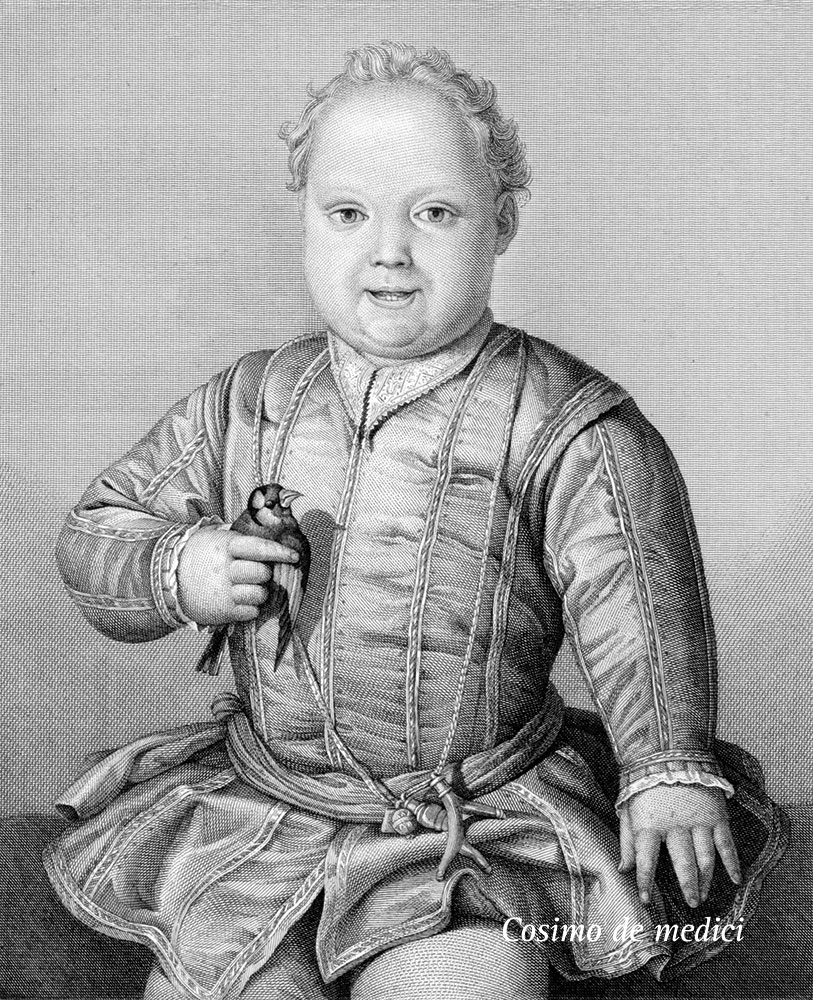
There is also a mystery attached to the provenance of Bergamot. According to one interesting but improbable hypothesis, the fruit originally came from the Canary Islands or the Antilles. Its discovery is ascribed to Christopher Columbus, who is said to have brought back the plant on his return voyage. On the other hand, some scholars maintain that the homeland of Bergamot is either China or Greece, while others are convinced it came from Spain. According to tradition, a branch of the Bergamot tree was sold for eighteen escudos and grafted onto sour orange in a southern Italian citrus grove. As far back as the 14th century, there are references to the existence of a unique fruit known as the “limon pusillus calaber”. If we examine the question more deeply, taking into account the means of transport at that time and the very special nature of the tree, a local origin remains one of the most evocative hypotheses. There is also historical evidence attesting to the aromatic use of Bergamot during the High Renaissance. At the court of Cosimo I de’ Medici, Duke of Florence from 1537 on and Grand Duke of Tuscany from 1569 to 1574, Bernardo Buontalenti, an acknowledged genius of the time, stunned his audience by creating “a cream flavoured with essences of citron, lemon, and bergamot”.